
SEO vs Google Ads for Los Angeles Businesses

Comparing SEO and Google Ads on cost, speed and long-term value for Los Angeles businesses, and when using both makes sense.
How Long Does SEO Take in Los Angeles?

Realistic SEO timelines for Los Angeles businesses, what happens in the first months, and what speeds results up or slows them down.
How to Rank in the Google 3-Pack in Los Angeles

What decides who appears in the Google Maps 3-pack in Los Angeles, and the practical steps that improve your chances.
How to Choose an SEO Company in Los Angeles

The questions to ask, the red flags to watch for and what a strong SEO proposal looks like before you hire an agency in Los Angeles.
How Much Does SEO Cost in Los Angeles? A Practical Guide

What drives SEO pricing in Los Angeles, how agencies structure their fees, and how to tell whether a quote will actually deliver results.
SEO for Law Firms: How Attorneys Win Local Search in 2026
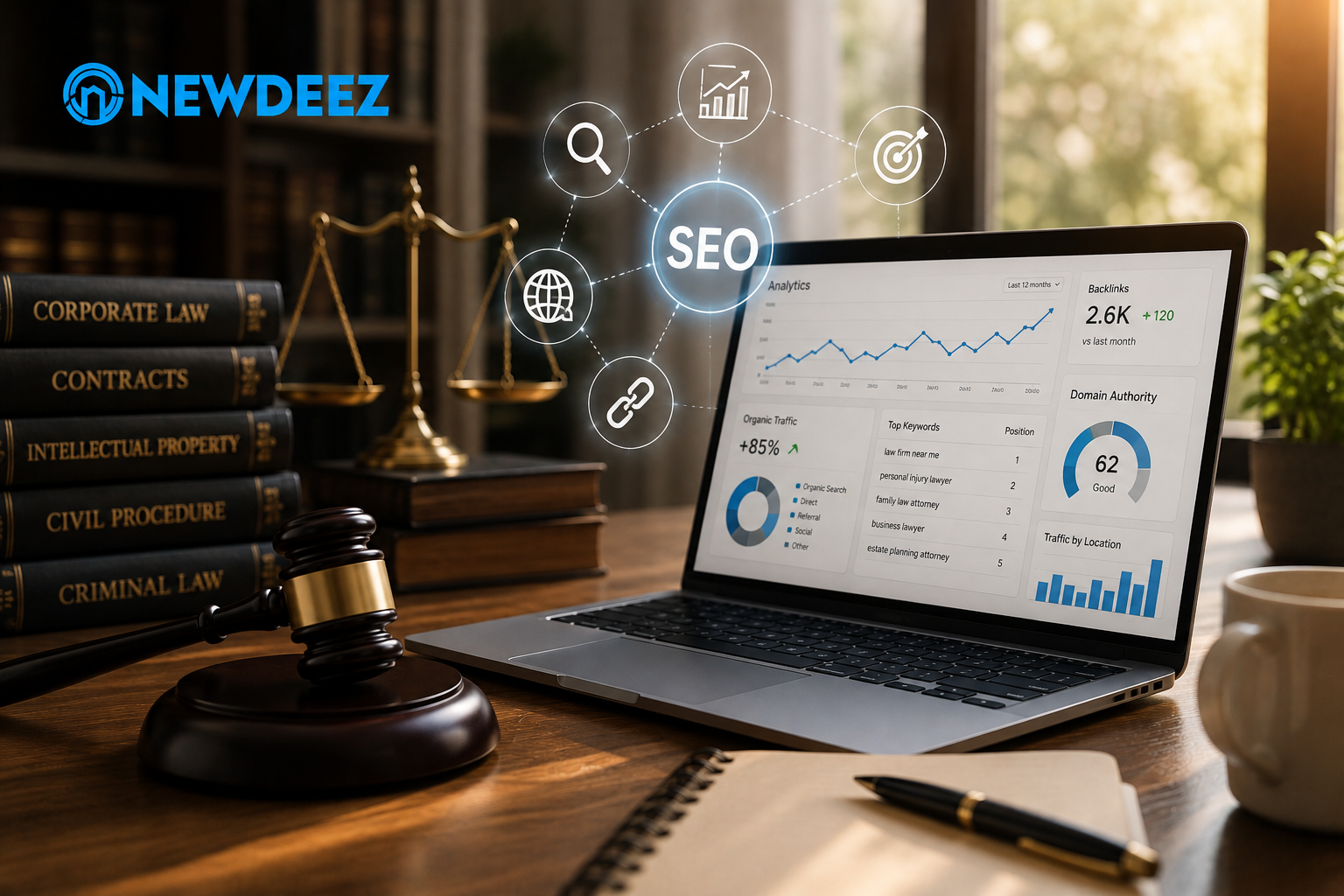
Law firm SEO in 2026 is won in the map pack. Here is the full local search playbook for attorneys, from Google Business Profile and reviews to entity SEO and AI search.
Why Local SEO In Los Angeles CA, Is Essential For Small Businesses In 2026
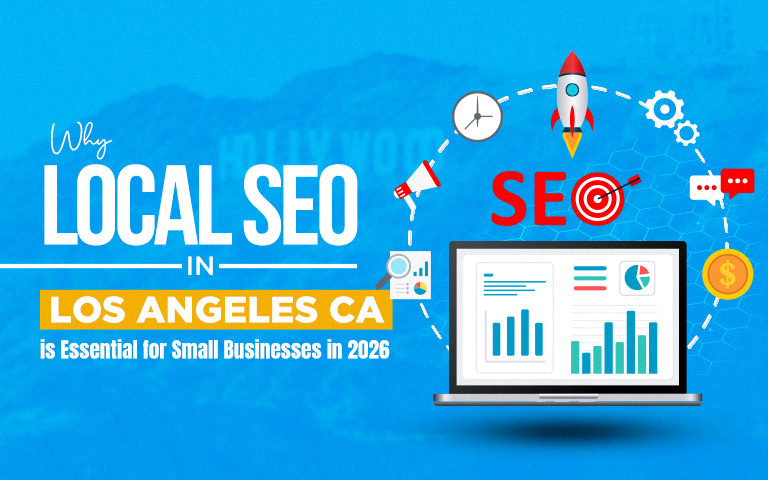
Los Angeles is one of the most competitive small business markets on earth. We know because we have spent years helping businesses across every neighbourhood in this city figure out how to win in it. And here is what we can tell you after all of that work: The businesses that dominate LA in 2026 are not the ones spending the most on ads. They are the ones who figured out local search early and have been compounding their authority ever since. If you run a small business in LA and you are not already invested in local SEO, you are not losing customers someday. You are losing them right now. Why LA Is Different From Every Other Market Los Angeles is not one city. It is roughly 88 incorporated cities and over 270 neighborhoods stitched together by freeways and shared weather. A customer in Silver Lake will not drive to Santa Monica for a haircut. A dispensary in Venice is not competing with one in Pasadena. The market is hyperlocal, and customer search behavior reflects that. When someone searches for a service in LA, Google automatically filters results by their location. Which means your business is not competing with every similar business in LA County. You are competing with every similar business within three to five miles of your storefront. That is both the challenge and the opportunity. The LA Neighborhood Reality ✔ 88 incorporated cities inside LA County ✔ 270+ distinct neighborhoods with their own search patterns ✔ Most customers will not travel more than 15 minutes for routine services ✔ Your real competition is 3 to 5 miles wide, not citywide What Actually Drives Local Rankings In 2026 The fundamentals have not changed much in five years. What has changed is how ruthless the algorithm has become about rewarding businesses that do those fundamentals correctly. Here is what actually matters, ranked by impact. 1. Google Business Profile Optimization Your GBP is the single most important asset you have for local search. Not your website. Not your Instagram. Your GBP. It is the thing that shows up in the map pack, in voice search, in AI-generated recommendations, and in the knowledge panel when someone searches for your business. Most LA businesses have a GBP that is half-finished. Wrong hours. Outdated photos. No products listed. No services specified. No Q and A. No posts in six months. That is a business telling Google it does not care about being found. Google responds accordingly. 2. Review Volume, Velocity, and Response Rate Reviews are the trust layer that everything else rides on. The businesses ranking at the top of their map pack almost always have more reviews than competitors, more recent reviews, and a response to every single one. This is not about gaming the system. It is about demonstrating to Google that your business is active, trusted, and being talked about right now. 3. Citations and NAP Consistency Your name, address, and phone number must be identical across every directory, every platform, every mention of your business on the web. We still audit LA businesses in 2026 that have four different phone numbers listed across Yelp, Apple Maps, Bing Places, and their own website. That inconsistency alone can suppress rankings for months. 4. Localised Content That Actually Serves Customers Content is still king, but the crown is smaller and heavier than it used to be. You cannot rank by publishing generic blog posts that could apply to any business in any city. You have to create content that speaks directly to your neighborhood, your customers, and the specific questions they are asking right now. KEY TAKEAWAY A pilates studio in West Hollywood needs content about West Hollywood clients. A law firm in Koreatown needs bilingual content. A florist in Silver Lake should reference local weddings, venues, and aesthetics by name. Specificity wins. The Cost Of Ignoring Local Search Here is the math that most LA small business owners never run. Between 60 and 80 percent of local searches result in a visit, call, or purchase within 24 hours. That is not a marketing statistic. That is customer behavior. And that is exactly where Los Angeles local SEO services become the single highest-ROI investment a small business can make. If your neighborhood runs 1,000 relevant local searches per month, and you are ranking fourth or fifth in the map pack, you are capturing maybe 5 percent of those searches. Your competitor ranking first is capturing 40 percent or more. That gap, multiplied across 12 months, is the difference between a business that grows and a business that stays stuck. And it compounds. Every month you rank first, you get more reviews, more citations, more backlinks, more Google trust. Every month you rank fifth, your competitor widens the gap. This is not a catch-up game. It is a compounding game. The longer you wait, the further behind you fall. Why 2026 Is A Tipping Point Year Something fundamental is happening right now that most LA business owners have not registered yet. AI search is reshaping how customers find local businesses. When someone asks ChatGPT, Perplexity, or Google’s AI Overview for the best coffee shop in Echo Park, those systems pull from the same local signals Google has been using for years. Reviews. Citations. GBP completeness. Authority. But they weigh those signals differently, and they surface fewer results. Instead of ten blue links, customers get one or two recommendations. That means being first is no longer just better. It is the only position that matters. Second place used to get 15% of the traffic. In AI search, second place frequently gets zero. The businesses that have been building local authority for years are benefiting from this shift automatically. The ones that have not are discovering that paid ads and social media do not translate to AI recommendations. Only earned authority does. What Separates Winning LA Businesses From Everyone Else After years of this work, we can tell you that the businesses dominating
SEO for Wholesalers: A Practical Guide to Driving Consistent B2B Growth

In today’s e-commerce driven economy, wholesale buyers increasingly research suppliers online before making contact, even in traditional B2B industries. This shift makes SEO for wholesalers a critical component of long-term, sustainable growth for suppliers. Search engine optimization allows wholesalers to attract high-intent buyers searching for products, distributors, or suppliers. When executed correctly, SEO for wholesale suppliers delivers consistent visibility, qualified leads, and measurable return on investment without the recurring costs of paid advertising. This article will examine the most established strategies you can apply to improve the search result rankings of your website and generate demand for your wholesale supply business. Here’s a practical guide to SEO for wholesalers. Implement a Keyword Strategy for Wholesale SEO Success Effective SEO for wholesalers starts with a strong keyword strategy aligned to how your potential business partners actually search. Wholesale buyers typically use more specific, intent-driven queries related to bulk orders, supplier locations, and product categories. Thus, applying this search behavior to your approach can attract qualified traffic. The best practices for wholesale keyword research include: Targeting industry-specific and product-based keywords. Including modifiers such as “bulk,” “supplier,” “distributor,” or “wholesale.” Optimizing for keywords like SEO for Wholesalers and SEO for wholesale suppliers. Mapping these keywords to category pages, service pages, and educational content. Improve Website Structure for Wholesale Buyers Website structure plays a critical role in both search engine rankings and user experience. Since wholesale websites often contain large product catalogs, multiple categories, and complex pricing models, making clarity and easy navigation essential. A well-structured site allows search engine crawlers to efficiently index all your pages while helping buyers find what they need quickly. You can optimize the core structural elements with: Clear product and category page architecture. SEO-friendly URLs that reflect product groupings. Internal linking between related products and content. Mobile responsiveness and fast page load times. Remember that search engines reward websites that are logically organized, fast, and intuitive to navigate. For wholesalers, this means creating clear category hierarchies and ensuring important pages are accessible within a few clicks. Content Marketing as a Competitive Advantage Content marketing is one of the most underutilized tools in SEO for wholesale suppliers. Many wholesalers focus only on product listings, missing opportunities to educate buyers and answer key questions. Thus, you can stay ahead of competitors by creating high-quality content that builds authority, attracts backlinks, and supports keyword rankings. Useful content ideas for wholesalers consist of: Buying guides and bulk purchasing tips. Industry insights and market trends. Product comparison articles. FAQs addressing logistics, minimum order quantities, and lead times. By addressing buyer pain points, procurement questions, and industry trends with articles and guides, you can pull in decision-makers earlier in the buying cycle. This also positions your brand as a knowledgeable partner rather than just another supplier. Local SEO for Wholesale Suppliers Mastering local SEO is important for wholesalers serving specific regions, cities, or countries. Many B2B buyers search for nearby suppliers to reduce shipping costs and improve logistics efficiency. Optimizing for local search allows you to capture this high-intent traffic and be discovered faster. Local SEO strategies for wholesalers involve: Refining Google Business Profile listings. Including location-based keywords on key pages. Building citations in industry and local directories. Encouraging customer reviews and testimonials. A strong local presence also builds trust, especially for buyers seeking long-term supplier relationships. What’s more, local SEO supports both digital visibility and offline credibility. Earn High-Quality Backlinks to Strengthen Authority Backlinks remain a major ranking factor in search engine algorithms. As a wholesale supplier, earning authoritative backlinks for your website signals credibility, trust, and industry relevance to search engines. Therefore, a strong backlink profile can directly improve search results rankings for terms related to SEO for wholesale suppliers. Proven backlink strategies for wholesalers include: Publishing industry insights and data-driven content. Securing links from manufacturers, distributors, and trade partners. Listing the business in reputable wholesale and B2B directories. Contributing expert commentary to industry publications and blogs. Instead of focusing on volume, prioritize valuable links from relevant industry sources. This strategy can accompany your content marketing plans. Successful link-building can also position your wholesale business as a trusted leader within your supply chain ecosystem. Refine Product Descriptions for Search and Conversions Product descriptions play a dual role in SEO for wholesalers: they help search engines understand your offerings while persuading buyers to take action. So, instead of relying on thin or duplicated manufacturer descriptions, utilize your own distinctive product content to improve usability and conversion rates simultaneously. The best practices for optimizing wholesale product descriptions include: Writing unique, keyword-rich descriptions for each product or category Including technical details, specifications, and bulk order information Structuring content with headings, bullet points, and scannable formats Highlighting value propositions such as pricing tiers, logistics, and availability Well-crafted descriptions address buyer intent, technical specifications, and commercial considerations. This ensures your product pages appeal to qualified traffic and support procurement decision-making. Use Social Media to Support SEO and Brand Visibility Social media plays a supporting role in SEO for wholesalers by increasing content visibility, brand recognition, and referral traffic. While social platforms are not direct ranking factors, they amplify content reach and help garner engagement and backlinks to your website that strengthen overall SEO performance. Beneficial social media strategies for wholesalers are: Sharing blog content, buying guides, and industry insights to increase reach. Promoting new products, bulk offerings, and seasonal availability. Engaging with distributors, manufacturers, and trade partners. Driving traffic to optimized product and category landing pages. For wholesale suppliers, social media also provides a channel to showcase expertise, product availability, and operational credibility. Additionally, it’s also the most direct method to communicate and be present to potential buyers on relevant platforms. Measuring SEO Performance and ROI SEO is a long-term investment, but it must be measured to ensure the strategies are effective. Your wholesale businesses should track performance metrics that align with both revenue growth and traffic volume. This data-driven approach allows for continuous optimization and guiding your strategy choices. Important SEO metrics for to measure
A Comprehensive Guide to SEO for Engineering

In an increasingly digital marketplace, referrals and legacy clients are no longer enough to sustain the growth of engineering companies. Procurement teams, decision makers, project managers, and CTOs now begin their vendor research online, making search engine visibility and high ranking a strategic asset. Thus, achieving an effective SEO for engineers strategy will ensure that your complex capabilities are discoverable, trustworthy, and differentiated in a crowded landscape. This article will outline a comprehensive framework to strengthen SEO for engineering companies with practical and industry-specific steps that align with how technical audiences search, evaluate, and select partners. 1. Understand How Engineering Buyers Search Engineering buyers use highly specific, problem-driven queries. Unlike consumer search behavior, these queries are often long-tail, specification-heavy, and tied to compliance requirements. As such, the key characteristics of an engineering search intent include: Long-form, technical phrases such as “finite element analysis service for composite materials.” Problem and solution-driven questions instead of brand-driven searches. A reliance on data sheets, case studies, standards, and engineering calculations. Preferences for authoritative and peer-validated content. This matters in SEO for engineers because your keyword strategy must focus on technical terminology rather than marketing language. Moreover, search engines reward depth, clarity, and domain expertise, which perform well with the technical-heavy terms used in engineering. Understanding this intent ensures your content will attract qualified leads. 2. Technical Keyword Strategy for Engineering Businesses As previously mentioned, an effective keyword strategy must align with how engineers and procurement officials describe problems, technologies, and deliverables. So, your engineering company should target the following keyword formats: Service-based keywords: “mechanical engineering consulting,” “civil engineering design services.” Capability-specific keywords: “CFD simulation services,” “structural load analysis.” Industry-focused keywords: “engineering for renewable energy projects,” “aerospace engineering design.” Compliance-driven keywords: “ASME pressure vessel design,” “ISO 9001 engineering documentation.” Location-based keywords: “engineering companies in California,” “structural engineers in Los Angeles.” The best SEO practices for keyword planning include conducting interviews with engineers and project teams to capture authentic terminology. Also, use actual deliverables such as CAD models, reports, and drawings as inspiration for keyword ideas and match them to user intent, whether it’s for awareness, evaluation, or procurement. 3. On-Page Optimization for Technical Credibility Engineering businesses often under utilize optimization techniques that significantly improve ranking as search engines prioritize accuracy and structure. Fortunately, on-page SEO directly refines your website’s pages so both search engines and users can easily navigate and find the valuable information they’re looking for. The foundational on-page SEO elements consist of: Clear H1s and H2s with specific engineering terminology. Meta titles and descriptions incorporating the phrase “SEO for engineering” naturally. Descriptive alt-text for technical diagrams, schematics, and project photos. Schema markup for services, FAQs, and case studies. Take the opportunity to optimize for engineering buyers by using detailed service pages with explicit lists of your capabilities, tools, and software. Another suggestion is creating glossary pages defining technical concepts relevant to your niche. The results of a strong on-page SEO for engineering strategy will bring higher visibility to your long-tail keywords and a better user experience for technical professionals exploring your website. 4. Design a Content Strategy for Engineering Audiences Content that informs users with in-depth explanations and showcases your company’s technical mastery will attract high-intent buyers and increase your website’s domain authority to rank higher in search engines. With engineers valuing evidence, precision, and proven results, high-performing content formats that appeal to them are: Detailed case studies showing problem definition, analysis, and results. Technical blogs addressing industry standards, failure modes, or best practices. Simulation walkthroughs, methodology explanations, and modeling approaches. Project calculators, engineering tools, or specification checklists. White papers or research summaries tied to emerging technologies. Remember to prioritize accuracy, avoid oversimplification, and support claims with data, standards, or references. Also include engineering diagrams or sketches where helpful. Executing these key SEO content principles for engineers can boost rankings across all your web pages, earn more backlinks from credible engineering and academic sources, and pull in greater quality leads due to trust-building technical insights. 5. Local SEO for Engineering Companies With Regional Clients If your engineering firm operates within a geographical service area, your company can benefit from an optimized local presence. This is because many engineering contracts begin with regional vendors, and search engines promote location-specific service providers. Thus, you can improve local SEO visibility with these actions: Optimize Google Business Profile with detailed service descriptions. Showcase project photos, certifications, and equipment capabilities. Collect reviews from technical stakeholders (project managers, engineers). Ensure consistency of NAP (name, address, phone) across directories. Build locally relevant landing pages for cities or regions served. Connecting your firm to engineering clients focuses your SEO approach on immediate procurers with specific and geographically based needs. This, in turn, leads to higher web traffic and conversion rates. Another advantage of mastering local SEO is that search engines place small and medium-sized enterprises on an equal footing to compete with larger, national companies. 6. Conversion and Lead Optimization Improving visibility alone isn’t enough to generate revenue, which is why engineering websites must convert technical interest into qualified opportunities. Consider these conversion elements to optimize: Clear contact pathways for RFQs and project briefs. Prominent calls-to-action (CTAs) on all service pages. Technical portfolio samples or past project summaries. Team bios highlighting certifications, licenses, and experience. Structured inquiry forms that capture technical requirements. The clearest indicators of successful high-quality engineer conversions are your business receiving inquiries referencing specific services or capabilities, and engagement from procurement departments or engineering leads. 7. Measuring SEO Performance for Engineering Once all your strategies are active and in effect, analytics should be the next step. Focus on metrics that are aligned with your business’s desired outcomes. The most promising KPIs for engineering SEO to track include: Growth in organic traffic to high-value service pages. Ranking improvements for long-tail technical keywords. Increases in engineering-relevant backlinks. Number of qualified RFQs or technical inquiries. Engagement with technical resources (PDF downloads, tools, case studies). Use essential tools and metrics such as keyword tracking platforms for engineering terms, heatmaps to observe
Master SEO for Dentists: A Step-by-Step Guide

Let’s be honest. You excel at transforming smiles, easing anxieties, and providing top-tier dental care. That’s your zone of genius.But navigating the maze of digital marketing, especially Search Engine Optimization (SEO), probably feels like needing a root canal yourself is necessary, perhaps, but complex and maybe a little dreaded. You see empty slots in your appointment book and know there are patients out there looking for a great dentist, but how do you connect with them? Here’s the reality check for 2025 and beyond: your next new patient isn’t likely walking in because they saw a flyer. They’re pulling out their phone and typing “dentist near me,” “emergency dentist [your city],” or “best cosmetic dentist reviews.” If your practice doesn’t appear prominently in those search results, you’re effectively invisible to the vast majority of potential patients. This is where SEO for Dentists comes into play. Forget the confusing jargon. At its heart, SEO is the strategic process of making your dental practice’s website highly visible and appealing to search engines (like Google) and, more importantly, to the people actively searching online for the dental services you provide. It’s about showing up, standing out, and giving patients an easy path to your door. Think of it as designing the patient flow for your online presence. Just like you meticulously arrange your physical practice for comfort and efficiency, SEO organizes your digital footprint so patients can find you effortlessly. This Newdeez guide will break down SEO for Dentists into understandable, actionable steps, focusing on what truly matters: attracting high-quality new patients and growing your practice sustainably. Why SEO for Dentists Isn’t Just Nice-to-Have, It’s Non-Negotiable The purpose of SEO is simple: increase your practice’s visibility in search results. But why is that absolutely critical today? Your Patients Start Online: The Yellow Pages are history. When someone needs a dentist – whether for a routine check-up, a sudden toothache, or a cosmetic procedure – their journey almost always begins with a search engine. Less than 1% of searchers click past the first page of Google results. If you’re not there, you’re missing out. Build Instant Trust & Credibility: Think about your own search habits. You instinctively trust the top results more, right? Google does too. Ranking high signals that your practice is established, reputable, and a trusted authority in your local area. Patients perceive top-ranking dentists as being better. Building this enhanced reputation and establishing credibility is a core focus of the dentist seo services we provide at Newdeez. Attract High-Quality Leads: SEO is powerful inbound marketing. Instead of pushing ads onto people who may not need a dentist right now, SEO pulls in patients who are actively searching for your services. These aren’t cold leads; they have a specific need and are looking for a solution now. This means higher quality patients and better conversion rates (turning website visitors into actual appointments). Organic results consistently get far more clicks than paid ads. Enhance the Patient Experience (Before They Even Call): Modern SEO isn’t just about keywords. It forces you to create a user-friendly website experience: fast loading times, easy navigation, mobile-friendliness, and genuinely helpful content. A smooth online experience sets a positive first impression and makes it easier for patients to find information and book appointments. Your Competitors Are Doing It: Chances are, other dental practices in your area are investing in SEO for Dentists. To stay competitive, attract new patients, and avoid being left behind, you need a solid SEO strategy of your own. It’s about claiming your rightful share of the online search landscape. Rank higher in local search and attract more patients with our dentist-focused SEO packages. Decoding Google: How Patients Find Your Practice Online When someone searches on Google, the search engine acts like a hyper-efficient librarian. It instantly scans its massive index of websites to find the most relevant, trustworthy, and authoritative answers to the searcher’s query (or “keyword”). How does Google decide who gets the top spots? It considers hundreds of factors, but they broadly fall into two categories: On-Site Factors: Everything related to your actual website – the content, keywords used, technical structure, speed, mobile-friendliness, user experience, etc. Off-Site Factors: Signals from outside your website that indicate its reputation and authority – primarily links from other reputable websites, online reviews, and mentions of your practice across the web (especially local directories). Google’s Goal? To provide the best possible answer for the user. In recent years, this increasingly means rewarding websites that demonstrate high levels of E-E-A-T: Experience: Do you show real-world experience in the topics you cover? Expertise: Is the content created by someone knowledgeable? Authoritativeness: Is your practice recognized as a go-to source in the dental field or local community? Trustworthiness: Is your website secure? Are your business details accurate? Do reviews back up your claims? Furthermore, with AI-powered features like Google’s Search Generative Experience (SGE) providing direct answers in search results, creating clear, concise, human-driven content that directly answers patient questions is more crucial than ever. Talk to a Newdeez California SEO expert – schedule your free consultation today! Building Your Digital Practice: On-Site SEO Essentials Think of your website as your digital front office. It needs to be welcoming, informative, easy to navigate, and technically sound. Here’s how to optimize it: Solid Foundation (Platform & Technicals): Website Platform: Many dentists find success with WordPress due to its flexibility and SEO-friendliness, but the key is a platform that allows for customization and optimization. Mobile-First Design: Your site must look and work flawlessly on smartphones. Google prioritizes mobile-friendliness. Page Speed: Slow websites frustrate users and hurt rankings. Aim for pages to load in under 3 seconds. Use Google’s PageSpeed Insights to test. Security (HTTPS): Ensure your site uses https://. It’s a trust signal for users and Google. Clean URLs: Use short, descriptive URLs (e.g., yourpracticename.com/dental-implants). No Broken Links: Regularly check for and fix broken links (links leading to error pages). Compelling, Patient-Focused Content: Content is king, queen, and the entire royal court in
