
AEO vs SEO: What’s the Difference and Do You Need Both?

How answer engine optimization differs from traditional SEO, where they overlap, and how to prepare your business for both.
Why Your Business Isn’t Ranking on Google Maps (and How to Fix It)
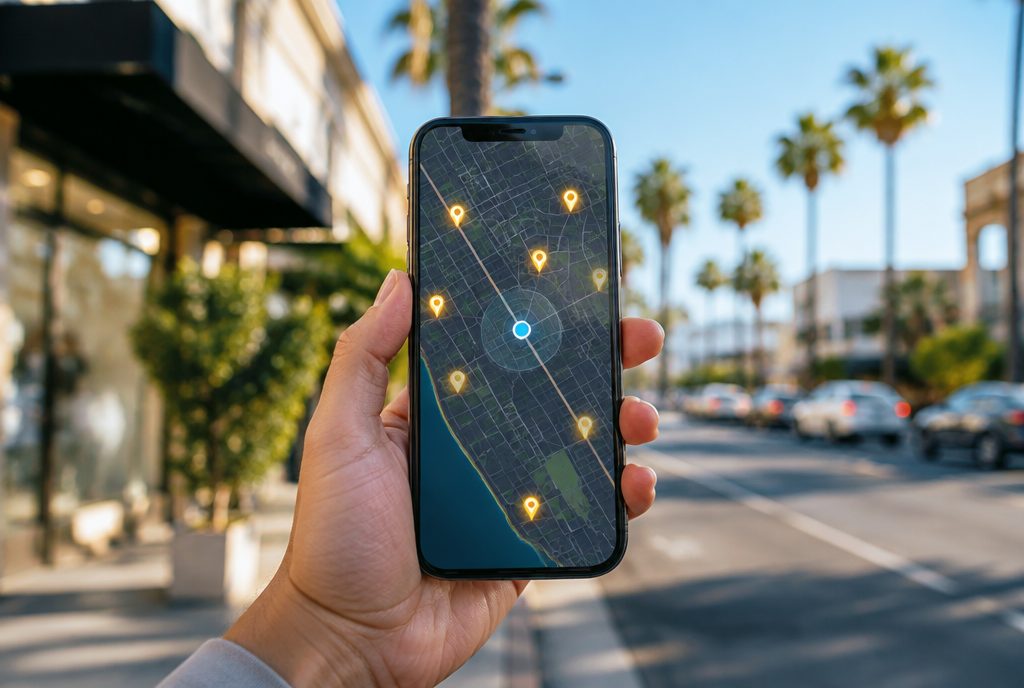
The most common reasons a business does not show up on Google Maps, and the fixes that usually make the biggest difference.
SEO vs Google Ads for Los Angeles Businesses

Comparing SEO and Google Ads on cost, speed and long-term value for Los Angeles businesses, and when using both makes sense.
How Long Does SEO Take in Los Angeles?

Realistic SEO timelines for Los Angeles businesses, what happens in the first months, and what speeds results up or slows them down.
How to Rank in the Google 3-Pack in Los Angeles
What decides who appears in the Google Maps 3-pack in Los Angeles, and the practical steps that improve your chances.
How to Choose an SEO Company in Los Angeles

The questions to ask, the red flags to watch for and what a strong SEO proposal looks like before you hire an agency in Los Angeles.
How Much Does SEO Cost in Los Angeles? A Practical Guide
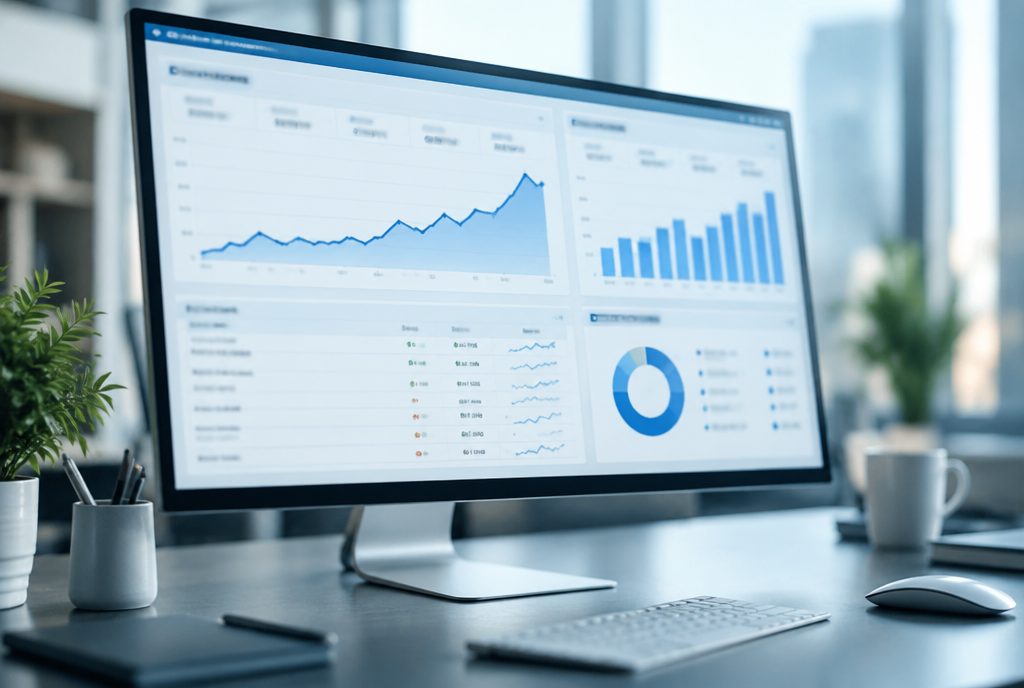
What drives SEO pricing in Los Angeles, how agencies structure their fees, and how to tell whether a quote will actually deliver results.
SEO for Law Firms: How Attorneys Win Local Search in 2026
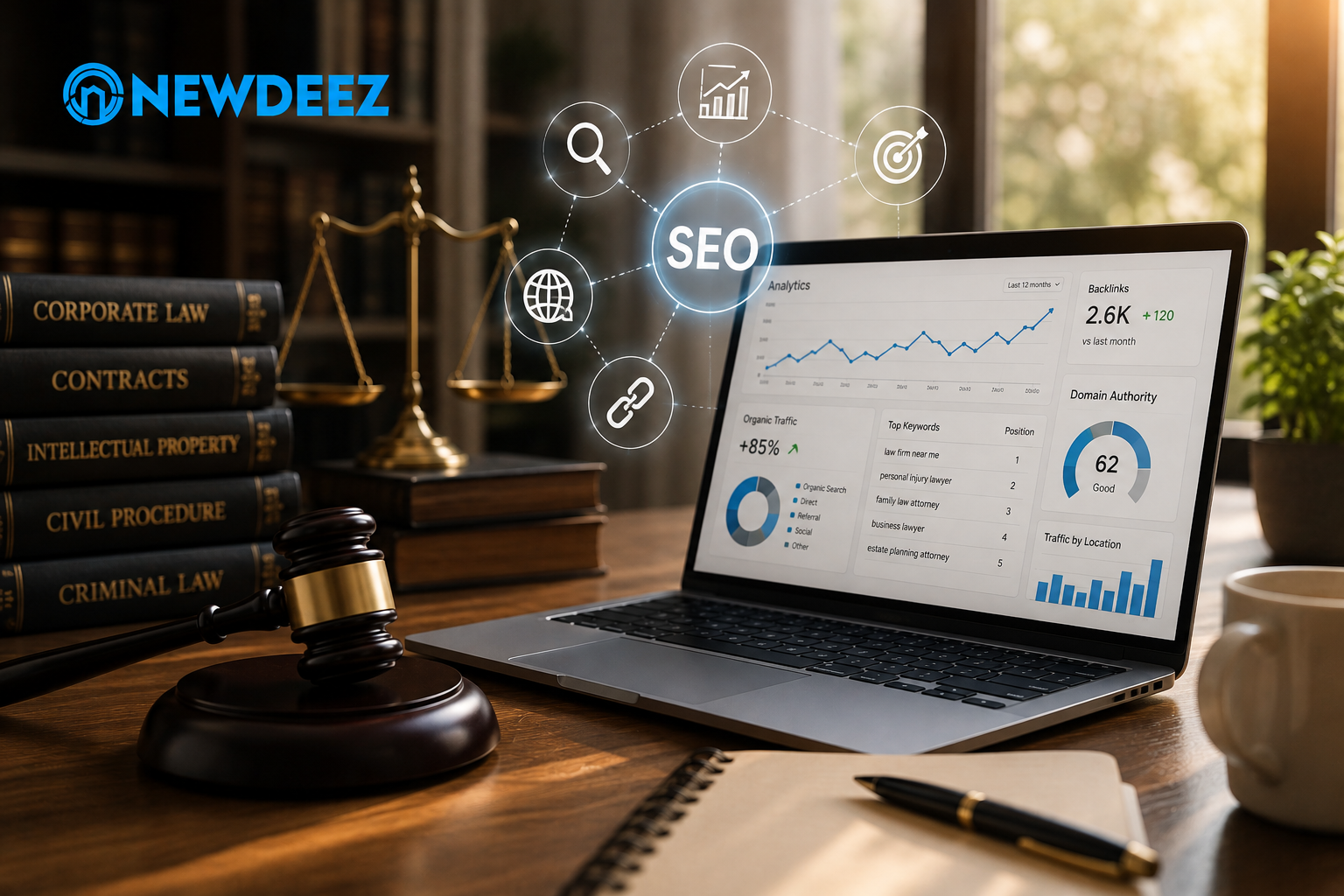
Law firm SEO in 2026 is won in the map pack. Here is the full local search playbook for attorneys, from Google Business Profile and reviews to entity SEO and AI search.
Why Local SEO In Los Angeles CA, Is Essential For Small Businesses In 2026
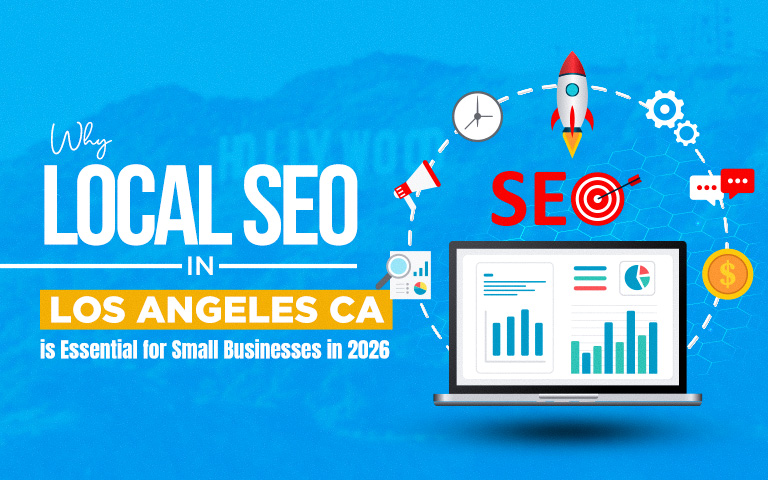
Los Angeles is one of the most competitive small business markets on earth. We know because we have spent years helping businesses across every neighbourhood in this city figure out how to win in it. And here is what we can tell you after all of that work: The businesses that dominate LA in 2026 are not the ones spending the most on ads. They are the ones who figured out local search early and have been compounding their authority ever since. If you run a small business in LA and you are not already invested in local SEO, you are not losing customers someday. You are losing them right now. Why LA Is Different From Every Other Market Los Angeles is not one city. It is roughly 88 incorporated cities and over 270 neighborhoods stitched together by freeways and shared weather. A customer in Silver Lake will not drive to Santa Monica for a haircut. A dispensary in Venice is not competing with one in Pasadena. The market is hyperlocal, and customer search behavior reflects that. When someone searches for a service in LA, Google automatically filters results by their location. Which means your business is not competing with every similar business in LA County. You are competing with every similar business within three to five miles of your storefront. That is both the challenge and the opportunity. The LA Neighborhood Reality ✔ 88 incorporated cities inside LA County ✔ 270+ distinct neighborhoods with their own search patterns ✔ Most customers will not travel more than 15 minutes for routine services ✔ Your real competition is 3 to 5 miles wide, not citywide What Actually Drives Local Rankings In 2026 The fundamentals have not changed much in five years. What has changed is how ruthless the algorithm has become about rewarding businesses that do those fundamentals correctly. Here is what actually matters, ranked by impact. 1. Google Business Profile Optimization Your GBP is the single most important asset you have for local search. Not your website. Not your Instagram. Your GBP. It is the thing that shows up in the map pack, in voice search, in AI-generated recommendations, and in the knowledge panel when someone searches for your business. Most LA businesses have a GBP that is half-finished. Wrong hours. Outdated photos. No products listed. No services specified. No Q and A. No posts in six months. That is a business telling Google it does not care about being found. Google responds accordingly. 2. Review Volume, Velocity, and Response Rate Reviews are the trust layer that everything else rides on. The businesses ranking at the top of their map pack almost always have more reviews than competitors, more recent reviews, and a response to every single one. This is not about gaming the system. It is about demonstrating to Google that your business is active, trusted, and being talked about right now. 3. Citations and NAP Consistency Your name, address, and phone number must be identical across every directory, every platform, every mention of your business on the web. We still audit LA businesses in 2026 that have four different phone numbers listed across Yelp, Apple Maps, Bing Places, and their own website. That inconsistency alone can suppress rankings for months. 4. Localised Content That Actually Serves Customers Content is still king, but the crown is smaller and heavier than it used to be. You cannot rank by publishing generic blog posts that could apply to any business in any city. You have to create content that speaks directly to your neighborhood, your customers, and the specific questions they are asking right now. KEY TAKEAWAY A pilates studio in West Hollywood needs content about West Hollywood clients. A law firm in Koreatown needs bilingual content. A florist in Silver Lake should reference local weddings, venues, and aesthetics by name. Specificity wins. The Cost Of Ignoring Local Search Here is the math that most LA small business owners never run. Between 60 and 80 percent of local searches result in a visit, call, or purchase within 24 hours. That is not a marketing statistic. That is customer behavior. And that is exactly where Los Angeles local SEO services become the single highest-ROI investment a small business can make. If your neighborhood runs 1,000 relevant local searches per month, and you are ranking fourth or fifth in the map pack, you are capturing maybe 5 percent of those searches. Your competitor ranking first is capturing 40 percent or more. That gap, multiplied across 12 months, is the difference between a business that grows and a business that stays stuck. And it compounds. Every month you rank first, you get more reviews, more citations, more backlinks, more Google trust. Every month you rank fifth, your competitor widens the gap. This is not a catch-up game. It is a compounding game. The longer you wait, the further behind you fall. Why 2026 Is A Tipping Point Year Something fundamental is happening right now that most LA business owners have not registered yet. AI search is reshaping how customers find local businesses. When someone asks ChatGPT, Perplexity, or Google’s AI Overview for the best coffee shop in Echo Park, those systems pull from the same local signals Google has been using for years. Reviews. Citations. GBP completeness. Authority. But they weigh those signals differently, and they surface fewer results. Instead of ten blue links, customers get one or two recommendations. That means being first is no longer just better. It is the only position that matters. Second place used to get 15% of the traffic. In AI search, second place frequently gets zero. The businesses that have been building local authority for years are benefiting from this shift automatically. The ones that have not are discovering that paid ads and social media do not translate to AI recommendations. Only earned authority does. What Separates Winning LA Businesses From Everyone Else After years of this work, we can tell you that the businesses dominating
SEO for Wholesalers: A Practical Guide to Driving Consistent B2B Growth

In today’s e-commerce driven economy, wholesale buyers increasingly research suppliers online before making contact, even in traditional B2B industries. This shift makes SEO for wholesalers a critical component of long-term, sustainable growth for suppliers. Search engine optimization allows wholesalers to attract high-intent buyers searching for products, distributors, or suppliers. When executed correctly, SEO for wholesale suppliers delivers consistent visibility, qualified leads, and measurable return on investment without the recurring costs of paid advertising. This article will examine the most established strategies you can apply to improve the search result rankings of your website and generate demand for your wholesale supply business. Here’s a practical guide to SEO for wholesalers. Implement a Keyword Strategy for Wholesale SEO Success Effective SEO for wholesalers starts with a strong keyword strategy aligned to how your potential business partners actually search. Wholesale buyers typically use more specific, intent-driven queries related to bulk orders, supplier locations, and product categories. Thus, applying this search behavior to your approach can attract qualified traffic. The best practices for wholesale keyword research include: Targeting industry-specific and product-based keywords. Including modifiers such as “bulk,” “supplier,” “distributor,” or “wholesale.” Optimizing for keywords like SEO for Wholesalers and SEO for wholesale suppliers. Mapping these keywords to category pages, service pages, and educational content. Improve Website Structure for Wholesale Buyers Website structure plays a critical role in both search engine rankings and user experience. Since wholesale websites often contain large product catalogs, multiple categories, and complex pricing models, making clarity and easy navigation essential. A well-structured site allows search engine crawlers to efficiently index all your pages while helping buyers find what they need quickly. You can optimize the core structural elements with: Clear product and category page architecture. SEO-friendly URLs that reflect product groupings. Internal linking between related products and content. Mobile responsiveness and fast page load times. Remember that search engines reward websites that are logically organized, fast, and intuitive to navigate. For wholesalers, this means creating clear category hierarchies and ensuring important pages are accessible within a few clicks. Content Marketing as a Competitive Advantage Content marketing is one of the most underutilized tools in SEO for wholesale suppliers. Many wholesalers focus only on product listings, missing opportunities to educate buyers and answer key questions. Thus, you can stay ahead of competitors by creating high-quality content that builds authority, attracts backlinks, and supports keyword rankings. Useful content ideas for wholesalers consist of: Buying guides and bulk purchasing tips. Industry insights and market trends. Product comparison articles. FAQs addressing logistics, minimum order quantities, and lead times. By addressing buyer pain points, procurement questions, and industry trends with articles and guides, you can pull in decision-makers earlier in the buying cycle. This also positions your brand as a knowledgeable partner rather than just another supplier. Local SEO for Wholesale Suppliers Mastering local SEO is important for wholesalers serving specific regions, cities, or countries. Many B2B buyers search for nearby suppliers to reduce shipping costs and improve logistics efficiency. Optimizing for local search allows you to capture this high-intent traffic and be discovered faster. Local SEO strategies for wholesalers involve: Refining Google Business Profile listings. Including location-based keywords on key pages. Building citations in industry and local directories. Encouraging customer reviews and testimonials. A strong local presence also builds trust, especially for buyers seeking long-term supplier relationships. What’s more, local SEO supports both digital visibility and offline credibility. Earn High-Quality Backlinks to Strengthen Authority Backlinks remain a major ranking factor in search engine algorithms. As a wholesale supplier, earning authoritative backlinks for your website signals credibility, trust, and industry relevance to search engines. Therefore, a strong backlink profile can directly improve search results rankings for terms related to SEO for wholesale suppliers. Proven backlink strategies for wholesalers include: Publishing industry insights and data-driven content. Securing links from manufacturers, distributors, and trade partners. Listing the business in reputable wholesale and B2B directories. Contributing expert commentary to industry publications and blogs. Instead of focusing on volume, prioritize valuable links from relevant industry sources. This strategy can accompany your content marketing plans. Successful link-building can also position your wholesale business as a trusted leader within your supply chain ecosystem. Refine Product Descriptions for Search and Conversions Product descriptions play a dual role in SEO for wholesalers: they help search engines understand your offerings while persuading buyers to take action. So, instead of relying on thin or duplicated manufacturer descriptions, utilize your own distinctive product content to improve usability and conversion rates simultaneously. The best practices for optimizing wholesale product descriptions include: Writing unique, keyword-rich descriptions for each product or category Including technical details, specifications, and bulk order information Structuring content with headings, bullet points, and scannable formats Highlighting value propositions such as pricing tiers, logistics, and availability Well-crafted descriptions address buyer intent, technical specifications, and commercial considerations. This ensures your product pages appeal to qualified traffic and support procurement decision-making. Use Social Media to Support SEO and Brand Visibility Social media plays a supporting role in SEO for wholesalers by increasing content visibility, brand recognition, and referral traffic. While social platforms are not direct ranking factors, they amplify content reach and help garner engagement and backlinks to your website that strengthen overall SEO performance. Beneficial social media strategies for wholesalers are: Sharing blog content, buying guides, and industry insights to increase reach. Promoting new products, bulk offerings, and seasonal availability. Engaging with distributors, manufacturers, and trade partners. Driving traffic to optimized product and category landing pages. For wholesale suppliers, social media also provides a channel to showcase expertise, product availability, and operational credibility. Additionally, it’s also the most direct method to communicate and be present to potential buyers on relevant platforms. Measuring SEO Performance and ROI SEO is a long-term investment, but it must be measured to ensure the strategies are effective. Your wholesale businesses should track performance metrics that align with both revenue growth and traffic volume. This data-driven approach allows for continuous optimization and guiding your strategy choices. Important SEO metrics for to measure
