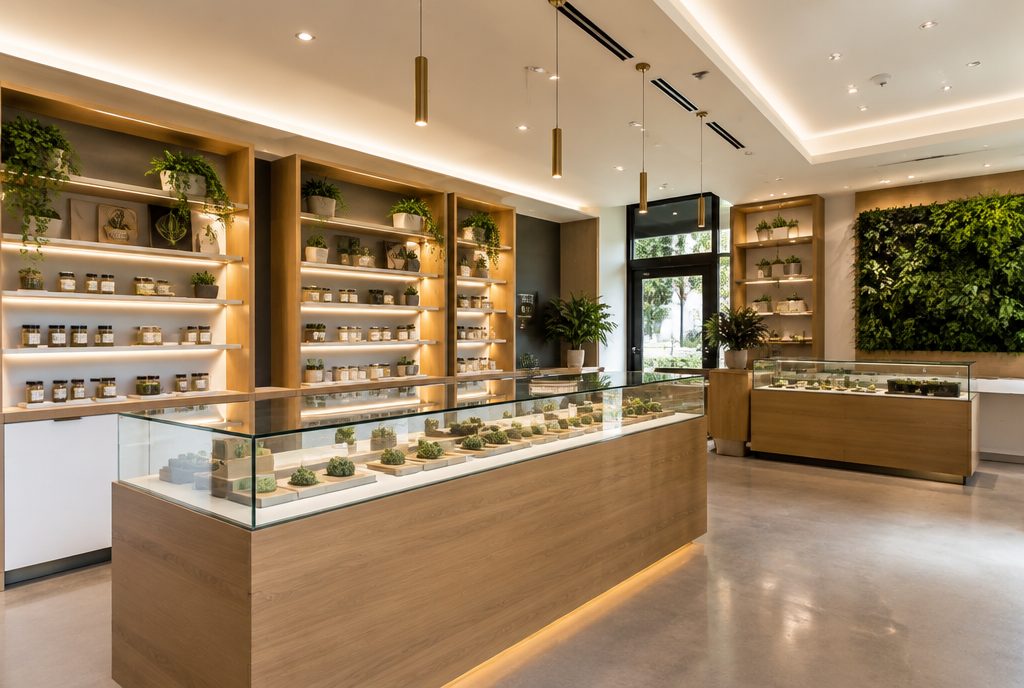
Dispensary SEO is the work of getting a licensed cannabis retailer found when nearby adults search for a dispensary, a product or a brand on Google Search, Google Maps and AI assistants. In practice it comes down to a handful of things: a menu search engines can read, strong location pages, a well-managed Google Business Profile, a steady flow of genuine reviews, content that stays inside your state’s advertising rules and reporting that ties it all to store visits and orders. This guide walks through each one in the order we usually tackle them.
- Many dispensary websites lose search visibility because the menu lives inside an iframe or on a third-party domain, so the value of those product pages never reaches the dispensary’s own site.
- Google ranks local results on relevance, distance and prominence. You can improve relevance and prominence, but you cannot change where the searcher is standing.
- Paid advertising for cannabis is heavily restricted on the major platforms, which makes organic search and Maps more important for dispensaries than for most retailers.
Why dispensary SEO is different from regular retail SEO
A shoe store or a coffee shop can lean on paid search when organic traffic is slow. Dispensaries mostly cannot. Google’s advertising policies restrict ads that promote cannabis, and the major social platforms have similar rules, so the channels that are open to you (organic search, Maps, listing sites and email or SMS to your own customers) carry more of the load.
Dispensaries also compete with some unusual rivals in search results:
- Marketplaces and directories. Weedmaps, Leafly and menu platforms have large, established websites and often rank for product and brand searches in your city.
- Other licensed retailers nearby. In dense markets like Los Angeles, several stores can sit within a short drive of the same searcher.
- Compliance limits. State rules on cannabis advertising shape what you can say, show and promote, and those rules apply to your website and listings too.
The upside is that most cannabis searches are local and high intent. Someone searching “dispensary open now” or “pre-rolls near me” is usually ready to visit or order. The dispensaries we work with, including Doobie District and The Vault Dispensary, each need a different mix of the work below, but the building blocks are the same. If you would rather hand the work to a team, that is what our dispensary SEO services are for. This guide is the do-it-yourself version.
Get your menu indexed (and fix embedded menu problems)
Your menu is the most valuable content you have. It changes daily, it matches exactly what people search for, and it is the reason customers visit your site. Yet on many dispensary websites, search engines barely see it.
Why embedded menus cause problems
Most dispensaries use an e-commerce menu provider such as Dutchie, Jane or Treez. The quickest way to add that menu is an iframe or a script embed. When a menu is loaded inside an iframe, the products usually live on the provider’s URLs, not yours. Google may index those pages, but the visibility tends to accrue to the provider’s domain rather than to your website. Embeds can also slow down your pages, because the browser has to load your site and then load the menu separately.
What to do about it
- Ask your menu provider about search-friendly options. Several providers offer API-based or headless setups, or configurations that serve the menu from your own domain. Ask what they support, what it costs and who maintains it.
- Build static category and brand pages. Even with an embedded menu, you can create crawlable pages for flower, pre-rolls, vapes, edibles, concentrates and the brands you carry, with a short description, what to expect in store and a link into the live menu.
- Check what Google actually sees. Use the URL Inspection tool in Google Search Console to view the rendered page. If the product names are not in the rendered HTML, Google is not reading them on your page.
- Handle the age gate carefully. An overlay on the page is generally safer than a redirect to a separate gate URL, which can hide your content from crawlers.
- Keep URLs stable. Products come and go. Category and brand pages should stay put so they can build up rankings over time.
Menu architecture is often the biggest single technical fix on a dispensary site. If your current site cannot support a proper menu integration, it may be time to look at cannabis web design built around search from the start, along with a technical review of speed, crawling and indexing.
Build location pages that deserve to rank
Every storefront needs its own page on your website. This is the page your Google Business Profile should link to, and it is the page that ranks for searches like “dispensary in [neighborhood]”. A strong location page includes:
- The store’s name, address and phone number, written exactly as they appear on your Google Business Profile.
- Hours, including any differences between days and any holiday hours.
- An embedded map and clear directions, parking details and nearby landmarks.
- Pickup and delivery details, with delivery zones if you are licensed to deliver.
- A direct link to that store’s menu.
- Real photos of the storefront and interior so first-time visitors recognize the building.
- LocalBusiness or Store structured data that matches the visible information.
Avoid creating pages for cities you do not actually serve. A page that targets a town twenty miles away with swapped-out place names helps nobody and can work against you. Our broader local SEO approach applies here: fewer, better pages tied to real locations beat a long list of thin ones.

Google Business Profile for dispensaries
For most dispensaries, the Google Business Profile drives more calls, direction requests and visits than any page on the website. A few cannabis-specific points matter:
- You need a storefront. Google’s Business Profile guidelines state that businesses selling age-restricted products such as cannabis are not permitted as service-area businesses without a storefront. Delivery-only operations should not expect to keep a profile without a physical location customers can visit.
- Choose the right primary category. Cannabis store is the category most licensed retailers use. Add secondary categories only if they accurately describe what you do.
- Use your real-world name. Adding keywords like “Best Weed Delivery” to your business name violates Google’s guidelines and can get the profile suspended.
- Keep hours accurate. Many “near me” searches favor businesses that are open now. Wrong hours cost visits and frustrate customers.
- Expect content limits. Google restricts promotional content for regulated products, and features such as posts and product listings may be limited for cannabis businesses. Focus your photos on the storefront, interior, staff and parking rather than product promotions.
- Track the website link. Add UTM parameters to the website URL on your profile so you can see that traffic separately in Google Analytics.
We cover the profile setup in more depth on our Google Business Profile optimization page.
Reviews and reputation
Reviews influence both rankings and whether someone picks your store over the one down the street. Google says more reviews and positive ratings can help a business’s local ranking, and shoppers read them closely when choosing a dispensary.
- Ask consistently. Build the request into the checkout process, receipts or follow-up messages where your state’s rules allow it.
- Never offer incentives. Google prohibits incentivized reviews, and discounts in exchange for reviews can also raise compliance questions in cannabis.
- Do not filter who you ask. Asking only happy customers (review gating) breaks Google’s rules.
- Respond to every review. Thank people, address problems calmly and never confirm personal details, purchases or medical information in a public reply.
- Watch your other listings. Reviews on Weedmaps, Leafly and Yelp shape your reputation too, even if they do not feed Google rankings directly.
If negative reviews are already a problem, a structured cannabis reputation management plan helps you respond well and build a steadier flow of new reviews.
Not sure where your dispensary is losing search visibility?
We will look at your menu setup, location pages, Google Business Profile and competitors, then tell you which fixes will matter most for your store.
Get a free dispensary SEO review →Compliance-safe content that still ranks
Content is where dispensaries tend to either play it too safe or get into trouble. You can publish genuinely useful pages without making claims your state prohibits. Good options include:
- Category guides that explain the difference between product types, formats and how to read a product label.
- Brand pages for the brands you carry, which match searches like “[brand] near me”.
- First-visit guides covering what ID to bring, how pickup works, payment options and parking.
- Local pages about events, community involvement and your neighborhood.
- Answers to real customer questions your budtenders hear every day.
What to avoid: health or medical claims, anything that could appeal to minors, and promotions or wording your state regulator restricts. Rules vary by state and change over time, so check your state’s advertising rules and have someone familiar with them review new content. The same thinking applies across our wider cannabis SEO work for brands and retailers.
Local links and citations
Prominence also comes from what the rest of the web says about you. For dispensaries, that means two things.
Citations
Citations are listings of your business name, address, phone number and hours on other sites. For dispensaries, Weedmaps and Leafly are the most important, followed by Yelp, Apple Maps, Bing Places and local directories. Claim each listing, make the details match your Google Business Profile exactly and update hours everywhere when they change.
Links
Good links for a dispensary are local and earned. Examples include coverage in local news, neighborhood or business association listings, community events you take part in, and “where to buy” pages from the brands you stock. Avoid buying links or joining link networks. They carry real risk and rarely move a local business forward.
AI search and measuring what works
Showing up in AI answers
Google AI Overviews, ChatGPT and Perplexity increasingly answer questions like “best dispensary near Silver Lake” or “which dispensaries in LA do curbside pickup”. These tools draw on websites, listings and reviews. You cannot control whether they mention you, but you can make your information easy to find and consistent: clear location pages, accurate hours across every listing, plain-language answers to common questions and a steady stream of recent reviews. Those same signals help your regular search rankings too.
What to measure
- Google Search Console: impressions, clicks and queries for your location, category and brand pages.
- Google Business Profile performance: calls, direction requests and website clicks per location.
- Google Analytics: traffic from your profile link (via UTM tags) and from organic search, and how many of those visitors click into the menu.
- Menu provider reports: online orders, ideally broken down by traffic source.
- Local rank tracking: a grid of rankings across your neighborhood, not a single check from your own phone.
Review these monthly, by location. Rankings are useful, but calls, direction requests and orders are what pay for the work.
Frequently asked questions
How long does dispensary SEO take to show results?
It depends on your market and starting point. Google Business Profile fixes can show changes within weeks, while menu indexation, content and links usually take several months of consistent work to show their full effect.
Can a dispensary have a Google Business Profile?
Yes. Licensed dispensaries with a physical storefront can have a Google Business Profile. Google does not permit businesses selling age-restricted products like cannabis to list as service-area businesses without a storefront.
Do Weedmaps and Leafly listings help my SEO?
They help as citations and as discovery channels where many cannabis shoppers search. Keep your details on them consistent with your Google Business Profile, but do not treat them as a replacement for your own website.
Is an embedded Dutchie or Jane menu bad for SEO?
An iframe embed is not ideal, because the product pages usually live on the provider’s domain rather than yours. Ask your provider about search-friendly integration options and build crawlable category and brand pages on your own site.
Can dispensaries use Google Ads instead of SEO?
Google’s advertising policies heavily restrict cannabis ads, so most dispensaries cannot rely on paid search. That is why organic search, Google Maps and listing sites matter so much for cannabis retailers.